Setup your Tenda router now
Tenda WiFi
Configure your Router with Tenda-Wifi
About Us
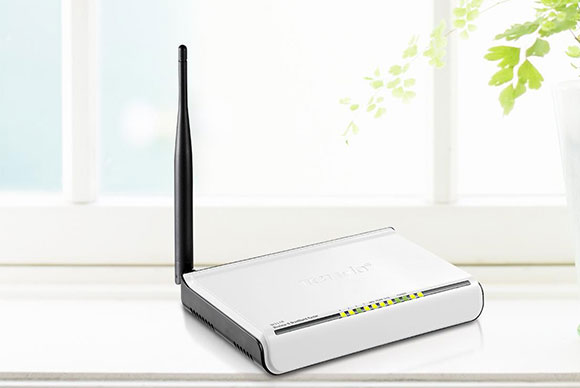
- This easy-to-use router offers a straightforward configuration interface that permits you to assemble it with comfort. it’s based on the most recent IEEE802.11n standard and is backward compatible with devices of IEEE802.11b/g standards. The Tenda wi-fi router,including router, wireless AP, four-port switch, and firewall in one,provides powerful online monitor function and supports Mac filter and URL filter. With WDS function, it will repeat and increase wireless signals so as to expand the network coverage area. It definitely supports UPnP and WMM to make your audio and video smoother. With QoS function, it will efficiently distribute the downloading rate for the customers. With most adaptability, the router can divide the access limits into some areas so multiple computers will share the net access. In addition, it supports WISP function to access to the ISP’s wireless hotspots.io
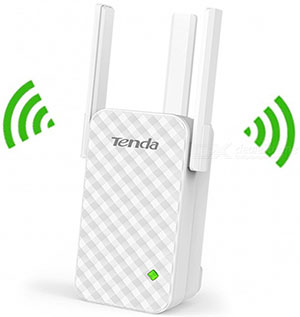
Here is a whole information for setting up the Tenda router.
Services
Product Installation
- Finally, insert the software CD into the CD drive of your pc. when the software automatically opens, double-click the Setup icon and follow the directions to finish the installation. you’ll also enter the router’s Web-based Utility to complete the configuration.
- Firstly, use only the enclosed power adapter to power your router.
- Then, attach the router’s LAN port to your pc with an ethernet cable.
- Next, connect your broadband line given by your ISP to the router’s WAN port.

Setup the Network Configurations
- Click the network icon on the lower right corner of your display screen, then snap-on ” Open Network and Sharing Center” option.
- Then, tap on the change adapter settings option on the left side of the window.
- Next, right click “Local area connection” and opt for properties.
- Double click”Internet protocol version 4″.
- Choose “Obtain an IP address automatically” and “Obtain DNS server address automatically”. Click “OK” to save the settings.
Remote Web Management
This section guides a way to permit the network administrator to manage the router remotely. If you would like to access the router from outside of the local network, please click the checkbox after “Enable or default settings .
- Enable: Check to enable remote web management.
- Port: The management port open to outside access. The default value is 80.
- IP Address: Specify the range of the IP addresses of the computers on the Internet for remote management.
How To Setup to Access the Internet
Network Configurations
- Click the network icon on the lower right corner of your laptop desktop, then click” Open Network and Sharing Center”.
- Click “Change adapter settings” on the left side of the window.
- Right-click “Local space Connection” and choose “Properties”.
- Double click” Internet Protocol Version 4(TCP/IPv4)”.
- Select “Obtain an IP address automatically” and “Obtain DNS server address automatically”. Click “OK” to save the configurations.
Login to the router login
To access the Router’s Web-based Utility, launch an internet web browser like internet explorer or Firefox and enter wan ip address or factory default ip address http://192.168.0.1. Press “Enter”.
The system can automatically opt for the corresponding web language in accordance with the Browser’s language.
Fast Internet Access
Two types of fast access methods are provided on the router’s web-based utility: ADSL dial-up and DHCP.
If you choose ADSL dial-up, you simply need to enter the access account and default passwords as well as the wireless password, then click “Ok” to complete the settings.
If you choose DHCP, you simply ought to enter the wireless password and click on “Ok” to complete the settings.
By default access methodology is ADSL dial-up and the access account and access password are the same as the ADSL dial-up account and password, that you’ll inquire your broadband ISP.
Fast Encryption
The two encryption setting screens which are provided by the router, one is simple and easy, the other is Advanced.
Simple and easy screen: Log on to the router’s web-based utility and you’ll set encryption for the router. The default adopts WPA-PSK wi fi mode and AES algorithm. The default username and password is 12345678.
Tenda
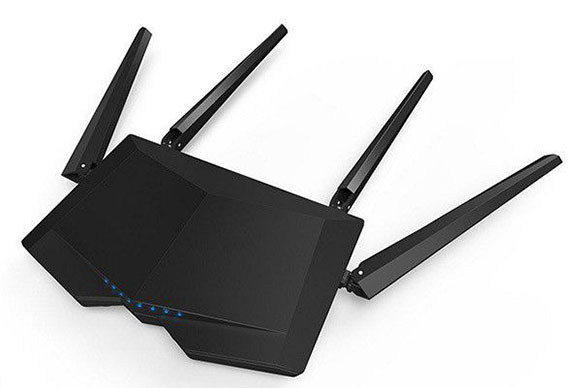
Tenda router ( dual band ) is the best equipment for both home and offices purposes. If you face any problem in Tenda wifi router, call Tenda wifi router support number to get instant help. Tenda-wifi.com follow this link.